Press Release

India's Supply Chain Leaders Come Together in Delhi for the Country's Most Ambitious Industry Summit

March 13, 2026 6 min read
author Anamika Mishra, Sub Editor
NEW DELHI, December 12, 2025 — On a crisp December morning at The Grand, New Delhi, something rare happened in Indian industry: the people who actually run supply chains — from factory floors to boardrooms — sat down in one room to talk honestly about what's broken, what's working, and where India needs to go next.

The India Supply Chain Summit 2025 (ISCS25), organised by the Journal of Supply Chain and the Knowledge Chamber of Commerce & Industry, wasn't designed as a typical conference. There were no polished sales pitches and no glossy product showcases. Instead, senior leaders from manufacturing, logistics, pharma, technology, and trade finance spent a full day sharing ground realities — the kind of conversations that usually happen behind closed doors but rarely make it onto a national stage.

Who Came — and Why It Matters

The numbers tell one story: 253 delegates, 199 unique organisations, 17 countries, and 55 industries under one roof. But the more important figure is that 133 of those attendees were decision-makers — CXOs, Vice Presidents, Managing Directors, and Heads of Function who shape real policy and spending inside their organisations.

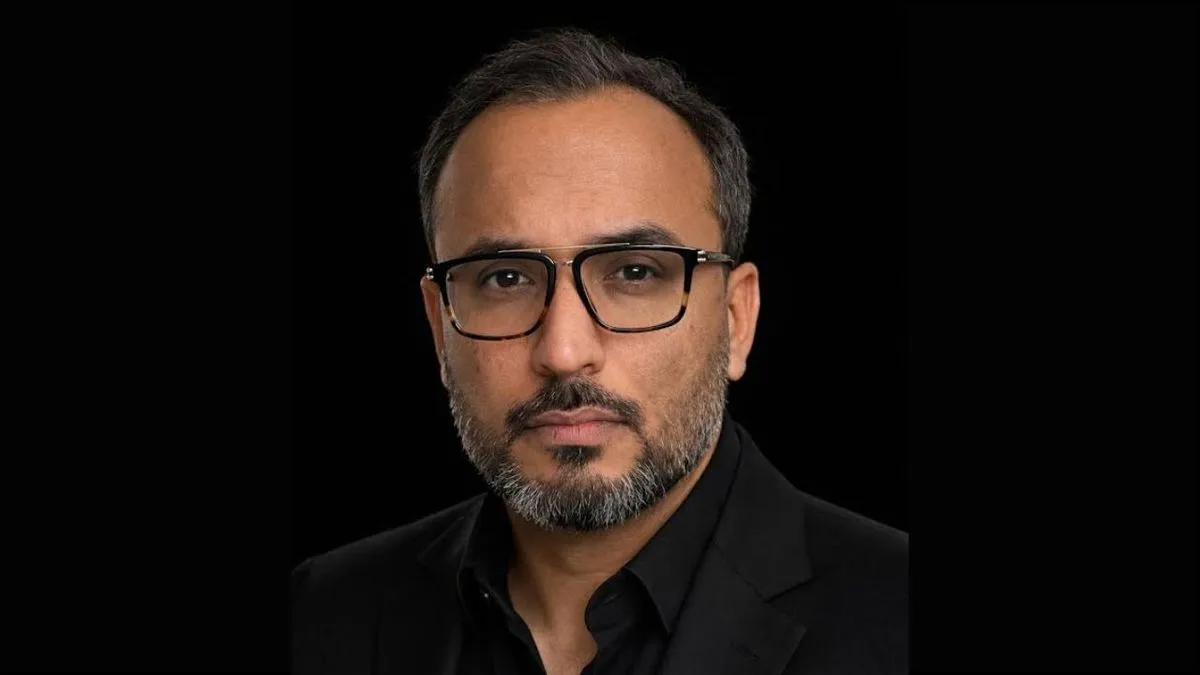
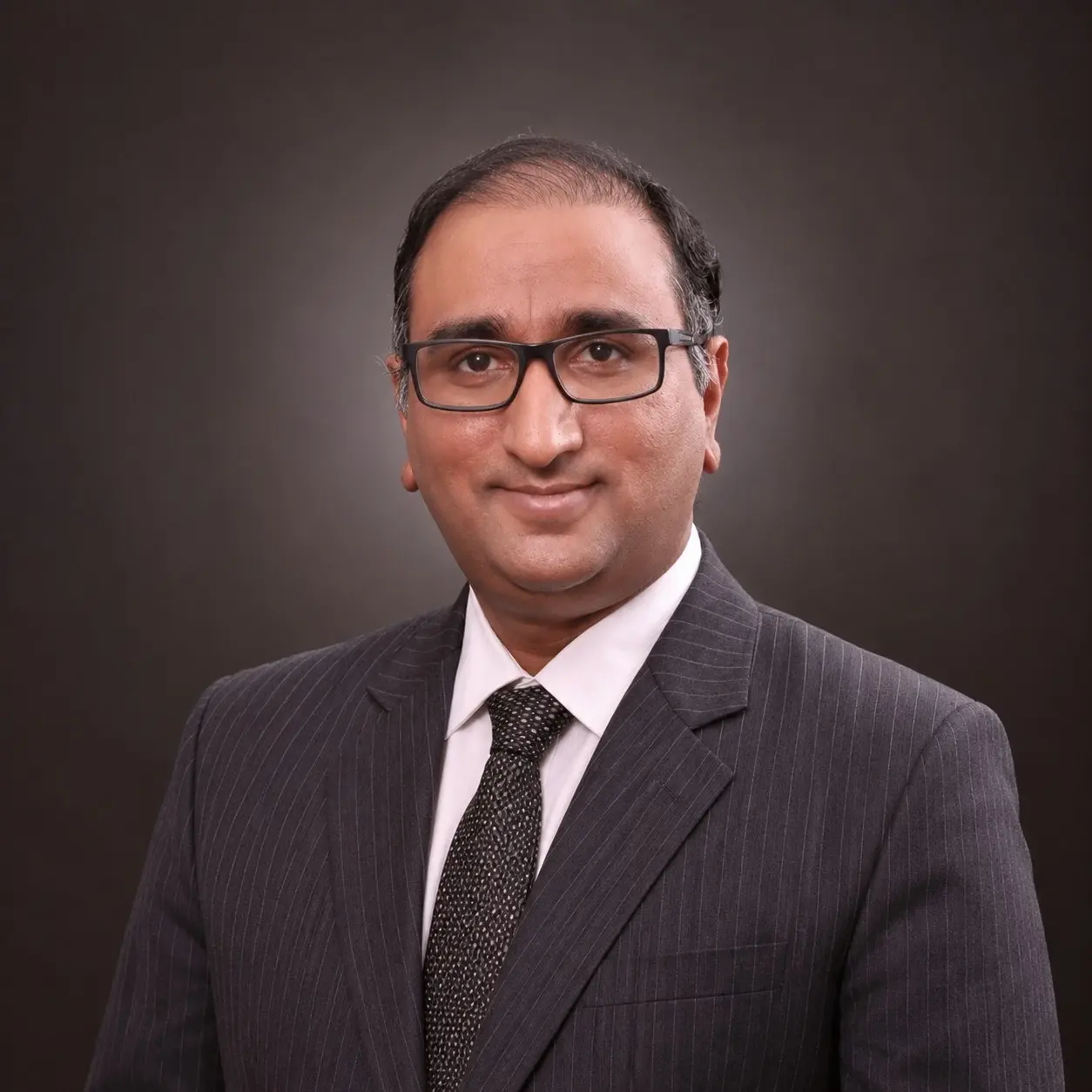
"India's supply chain ecosystem is still fragmented," said Vatsaal Paatel, Founder of the Journal of Supply Chain and lead organiser of the summit. "We have brilliant professionals working in silos across logistics, manufacturing, procurement, trade, warehousing and compliance — but there was no single platform where all these voices came together. That's why we built this."

What the Room Was Saying

Seven panel discussions and two exclusive sessions produced a consistent and urgent message: India's supply chain transformation is real, but it's moving at two different speeds. Large enterprises are investing in digital tools, resilience strategies, and data-driven planning. Smaller businesses — especially MSMEs — are struggling with access, affordability, and the skills needed to keep up.

A few things stood out from the discussions:

         Logistics costs remain stubbornly high, with transportation eating up 60–65% of logistics spend — a structural problem rooted in modal imbalance, not just infrastructure gaps.

         India's battery supply chain is a national security issue, not just an EV story. With core battery cells still imported and hazardous logistics infrastructure nearly absent, panelists called for urgent cross-ministry coordination.

         The pharma industry's biggest vulnerability isn't manufacturing — it's dependence on China for roughly 70% of its Active Pharmaceutical Ingredients (APIs), leaving India exposed on both the import and export side simultaneously.

         Supply chain talent is quietly becoming India's next big bottleneck. A cited example: only 6 out of 800 students in a large MBA cohort opted for operations or supply chain. Without deliberate investment in SCM education, India risks building infrastructure without the people to run it well.

         52 Indian companies have been sanctioned in the last 12 months, with affected trade value exceeding ₹20,000 Crore — a stark reminder that global compliance risk is no longer a distant concern.


The Honest Disagreements

What made ISCS25 different from many industry events was that it didn't smooth over disagreements. In the panel on manufacturing and policy, a clear gap emerged between government-cited progress on logistics costs (reduced to 10–12% of GDP) and what industry leaders experience on the ground. On railway freight speeds, official figures hovered near 25 km/h while industry participants cited real-world averages closer to 18 km/h. These aren't minor discrepancies — they represent the difference between policy intent and operational reality, and the summit put both on the table openly.

From Visibility to Intelligence

A session dedicated to supply chain visibility and control towers drew one of the most engaged discussions of the day. Speakers from Boston Consulting Group, Capgemini, Lenovo, and Jindal Stainless debated not whether AI and control towers will transform supply chains — that's now broadly accepted — but how fast organisations can realistically deploy them. The panel noted that planning accuracy has jumped from roughly 40–50% in spreadsheet-driven environments to 85–90% with AI-enabled systems, but cautioned that hallucination risks in AI, fragmented ERP landscapes, and cultural resistance remain real barriers to adoption.

The Global Context — and India's Window

Khaja Hameed, Partner and Managing Director at Kepler Consulting, delivered the global perspective session, framing why the current moment is genuinely exceptional for India. Global supply chain investment reached $18–20 billion in 2024–25, growing at nearly 40% CAGR. Companies worldwide are diversifying away from single-geography dependence — and India is increasingly in that conversation.

But the session was equally honest about the conditions required. India's long-term competitiveness will depend on building regionally distributed manufacturing clusters, accelerating digital adoption among MSMEs, strengthening multimodal logistics capacity, and supporting domestic supply chain tech startups. The opportunity is real, but it isn't automatic.

Recognising the Leaders Already Making a Difference

The evening's award ceremony recognised organisations and individuals driving measurable change. Century Ply was honoured for its structured supply chain training programmes. MRPL received recognition for successfully digitising its procurement workflows. On the individual side, Pratap Singh Chauhan of Jindal Stainless was named Supply Chain Leader of the Year for his leadership in EXIM-driven optimisation, while Dhruv Gohil of Mantra Softech was recognised as Young Supply Chain Professional of the Year for early-stage impact in digital supply chain execution.

What Comes Next

The post-event report compiled from the day's deliberations surfaces seven consolidated policy recommendations for government ministries, including: accelerating multimodal logistics infrastructure with real-time performance monitoring; building a national digital trade documentation backbone for EXIM; creating a dedicated hazardous and battery logistics ecosystem; and launching a national Supply Chain Skill & Certification Mission under the Skill India framework.

The overall message from the summit is clear: India must move from infrastructure creation to execution efficiency, from manual compliance to digital traceability, from a cost focus to a resilience focus, and from labour arbitrage to talent and technology leadership.


About the India Supply Chain Summit

The India Supply Chain Summit is an annual, industry-led, multi-sector platform focused on practical execution, policy alignment, and cross-sector dialogue. Organised by the Journal of Supply Chain (a Hansi Bakis Media Private Limited publication) and the Knowledge Chamber of Commerce & Industry, the summit brings together senior decision-makers across manufacturing, logistics, technology, finance, legal advisory, and government-linked institutions.

Media Contact

Vatsaal Paatel

Founder, Journal of Supply Chain & Lead Organiser, ISCS25

Email: vatsal@journalofsupplychain.com

Phone: +91 98797 99711

Website: www.indiasupplychainsummit.com


Explore the latest edition of Journal of Supply Chain Magazine and be part of the JOSC News Bulletin.

Discover all our upcoming events and secure your tickets today.


Journal of Supply Chain is a Hansi Bakis Media brand.

Leave Comment

logo

Subscribe to Our Newsletter

The week’s best stories, handpicked by JOSC editors in your inbox every week.

Stay informed with exclusive content